Protecting “access, choice, and agency” is vital in a world that can fulfill our desire to be human as we harness the growing potential of AI.
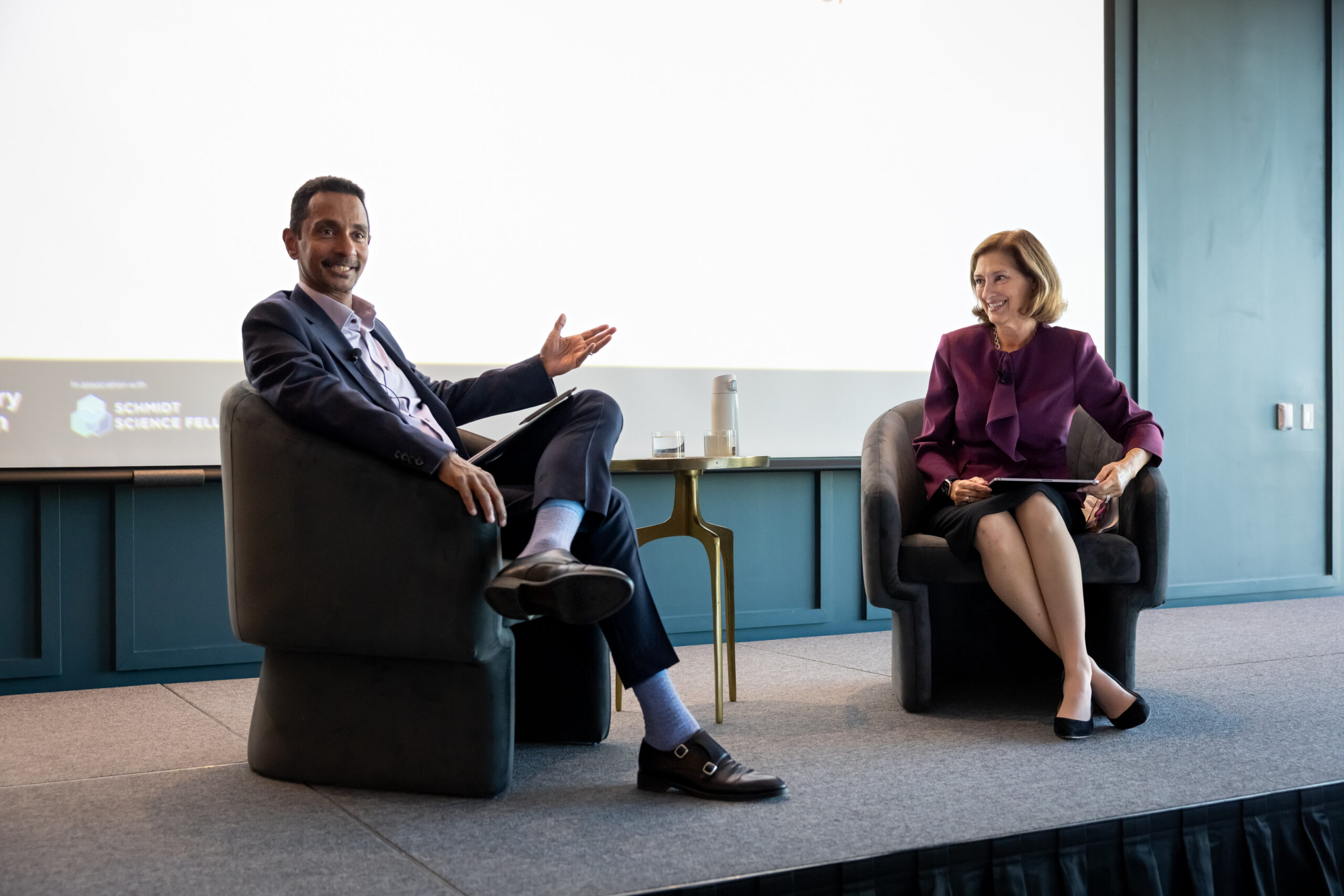
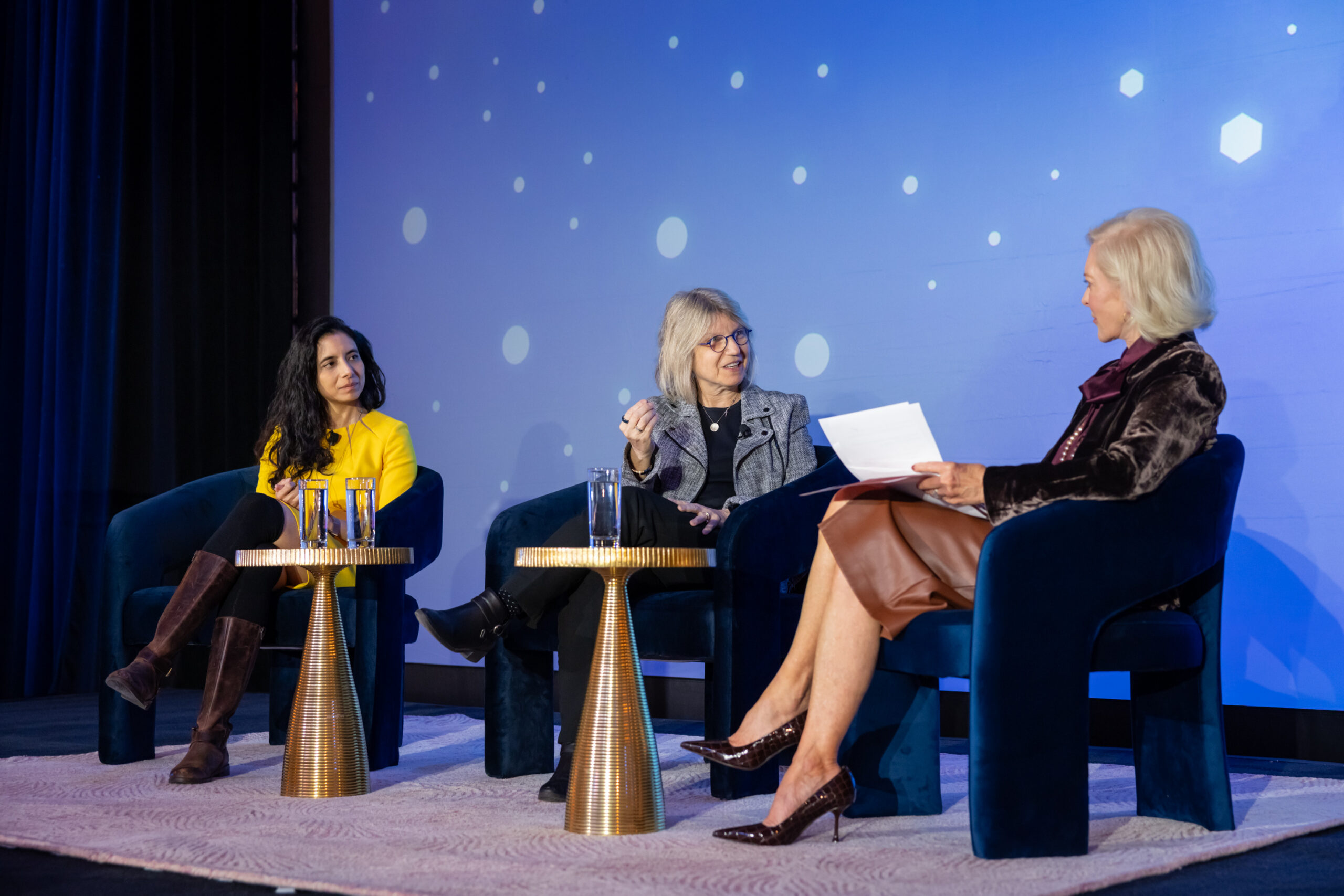
That was the message from a unique “In Conversation” on Human Values in the Age of AI, hosted by our Co-Founder and leading philanthropist Wendy Schmidt at the third Interdisciplinary Science Forum.
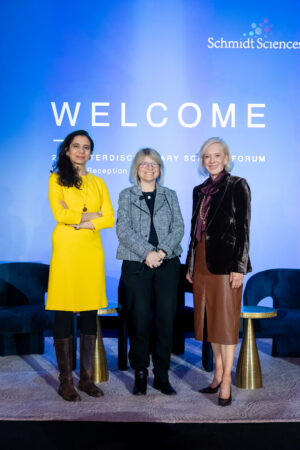
Joined by MIT President Sally Kornbluth and Caltech Professor Anima Anandkumar, the three leaders gave their own unique perspectives on the AI era, how we can navigate its power, and the pitfalls it creates.
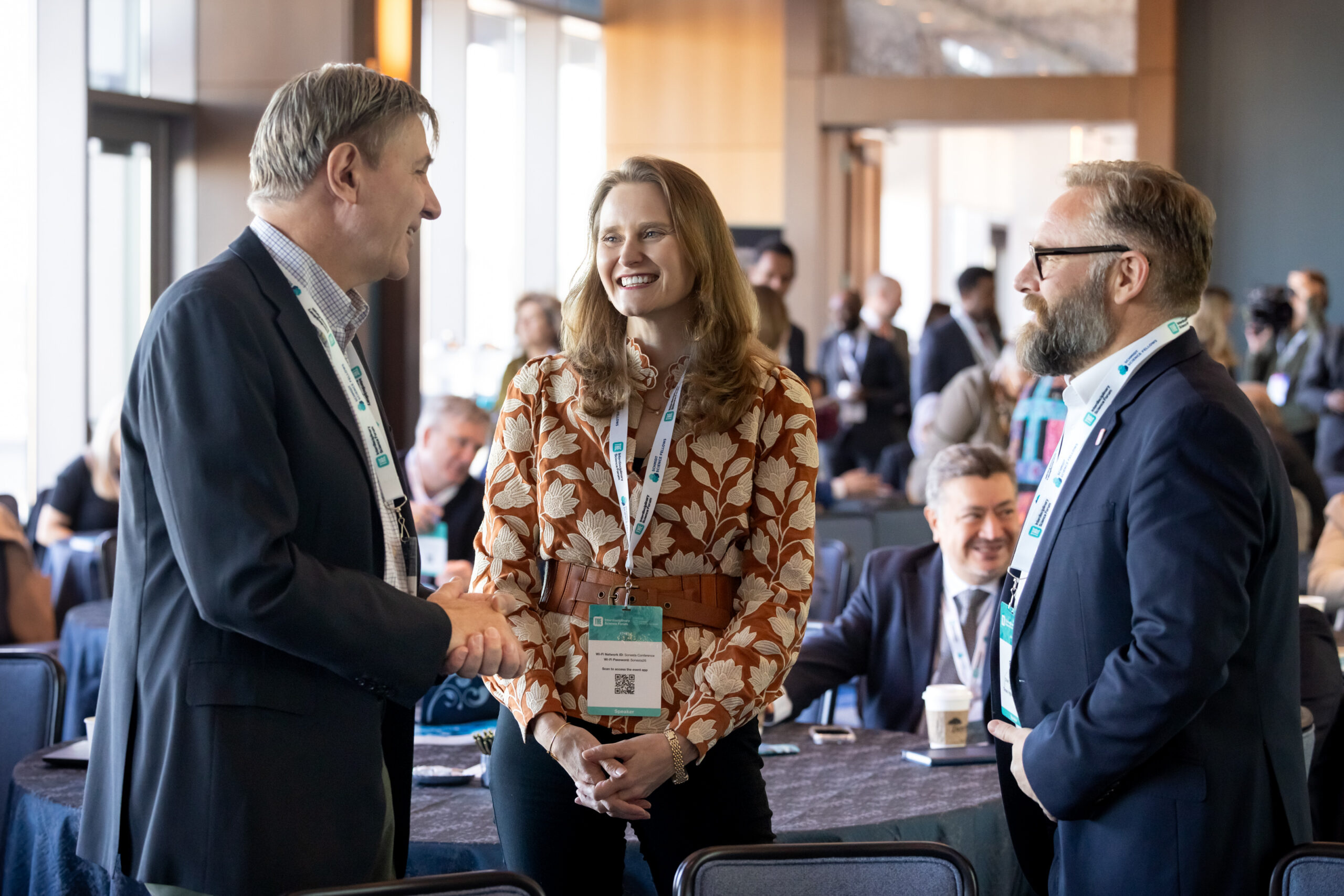
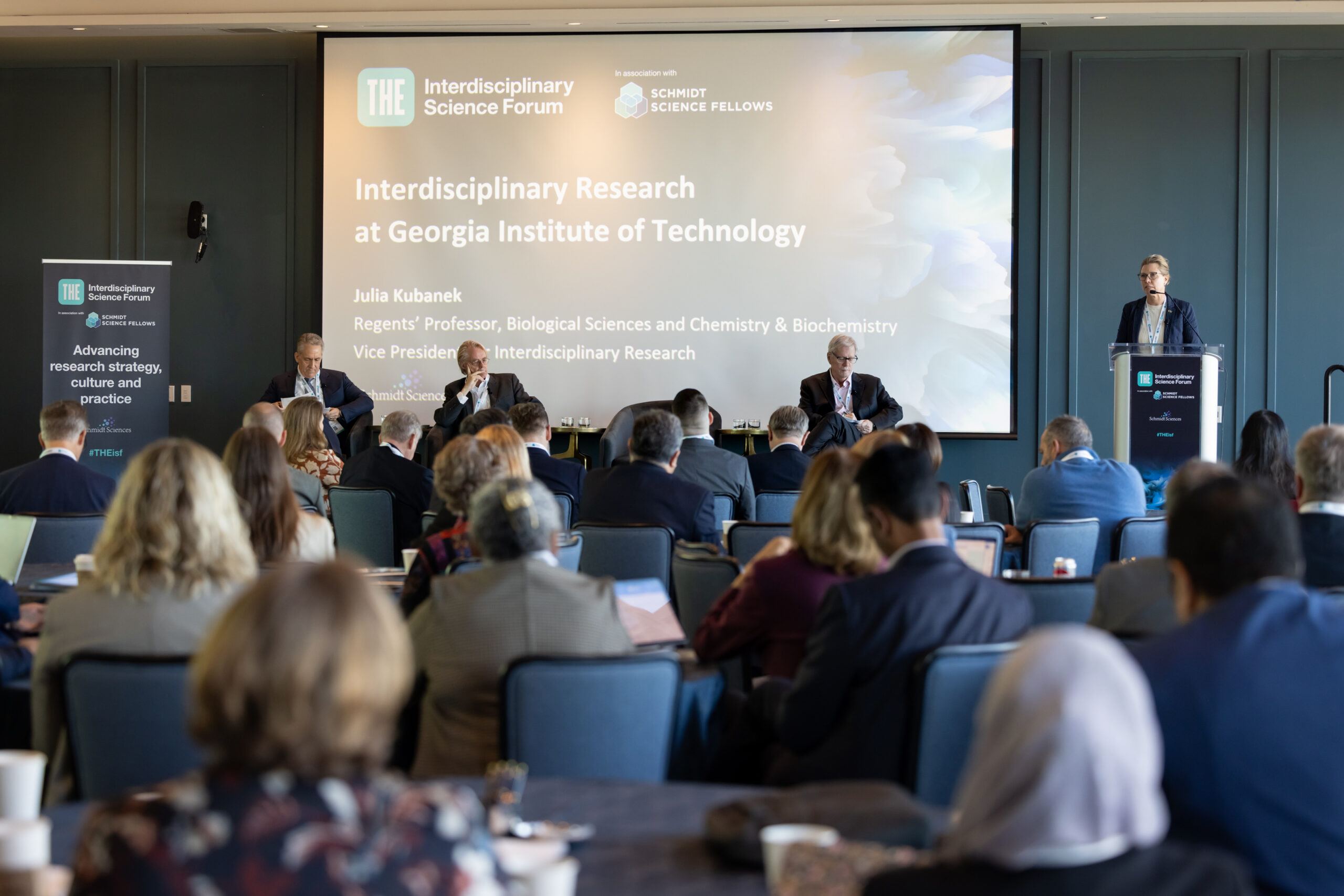
Jointly organized by Times Higher Education and Schmidt Science Fellows, the Interdisciplinary Science Forum brings together influential university leaders and other partners from across the world to evolve institutional strategies for interdisciplinary science.
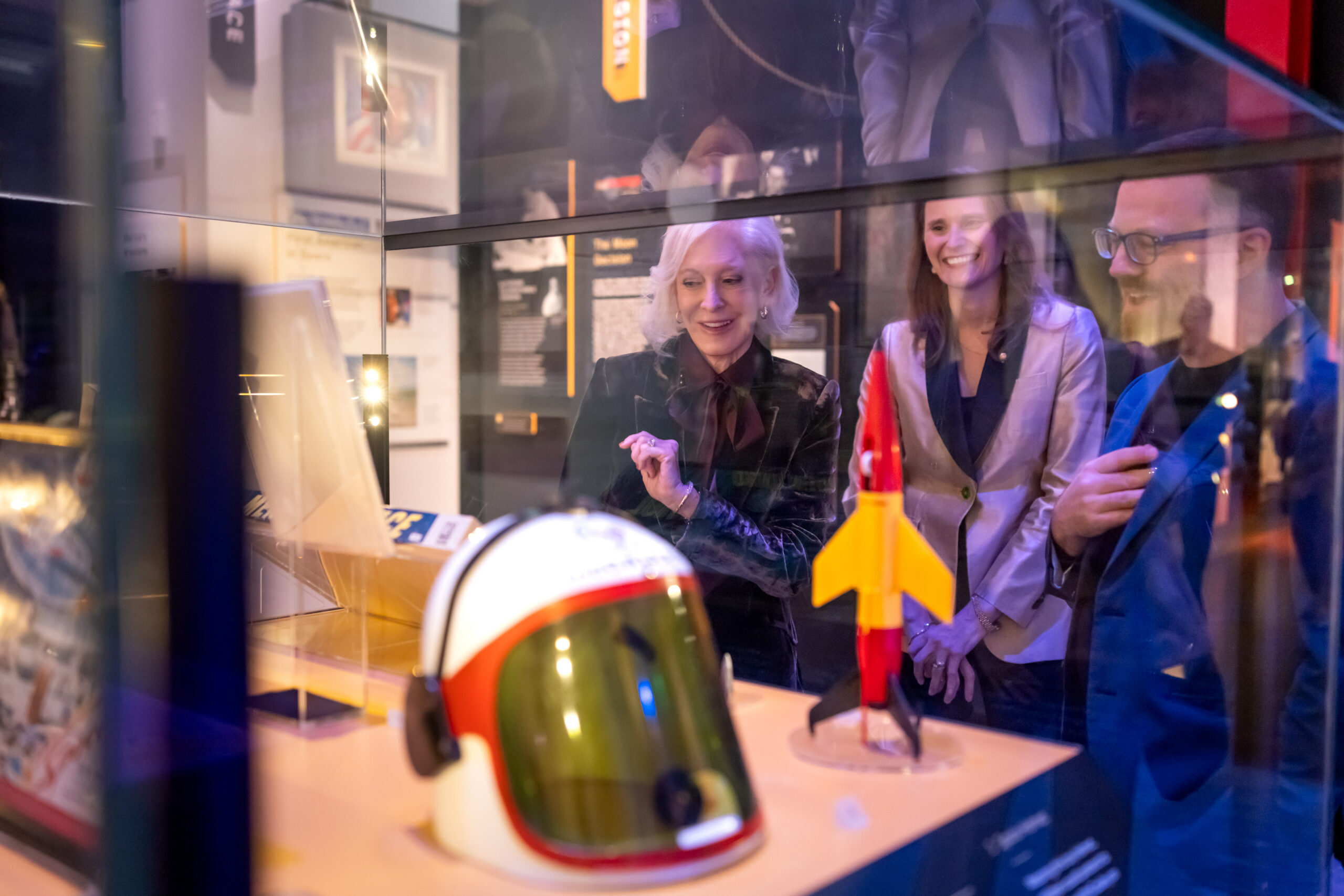
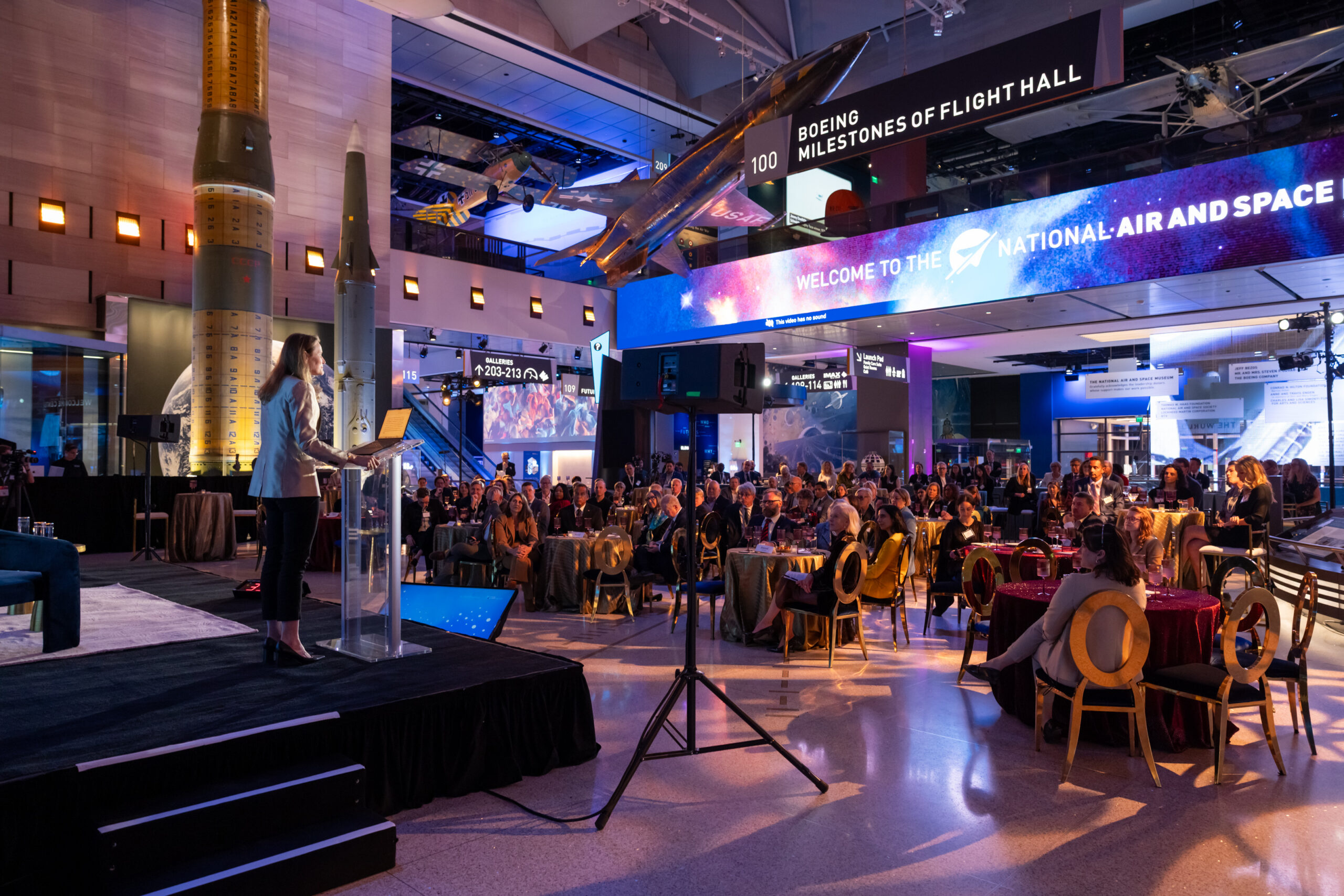
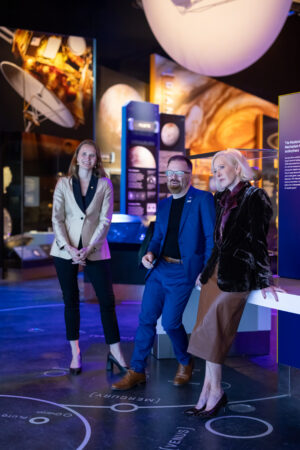
The Forum’s evening reception, with the theme “Beyond the Horizon,” was held at the inspiring National Air and Space Museum in Washington, D.C.
In the shadow of some of the defining symbols of human progress from the past hundred years, including the module that helped humans set foot on the Moon, the panel acknowledged the complex and fast-moving AI landscape of today.
The discussion explored AI in the context of data centers and climate impact anxieties, students’ desire to develop their own skills and potential, and the need to preserve human purpose.
Regarding the potential of AI to advance science, Dr. Kornbluth said institutions could play a positive role in ensuring equitable access to AI in research and education.
She added: “I feel like the role of the institution here is to take the fear out of the equation, to make sure anybody who wants to use it in their research or in their education can use it effectively and efficiently.
“I think the university can make it easier for everyone to adopt it in the way they choose.”
Bringing the fascinating discussion to a close, Wendy summarized: “Access, choice, and agency. All the things that humans want. That’s what we need to protect in the age of AI.”
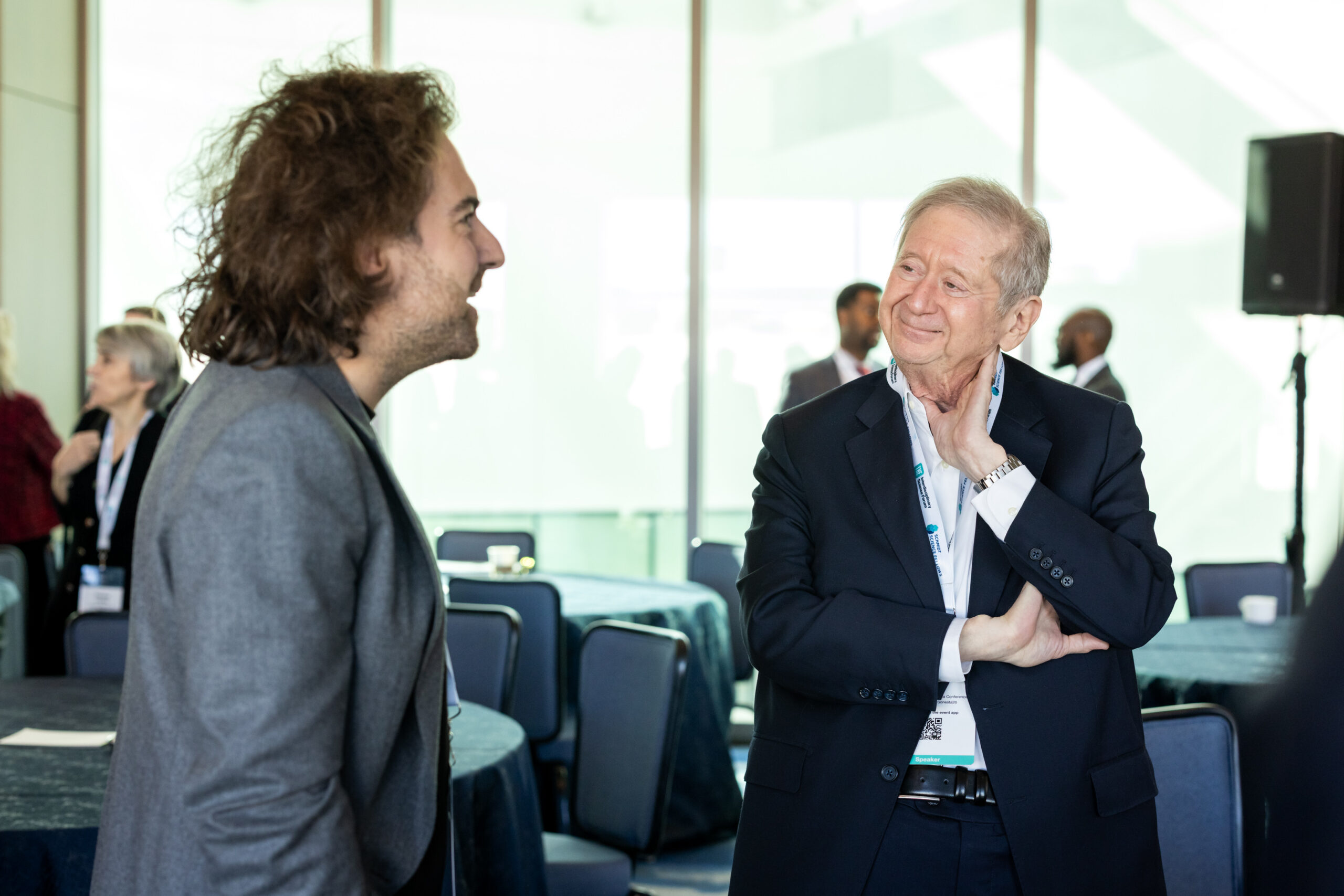
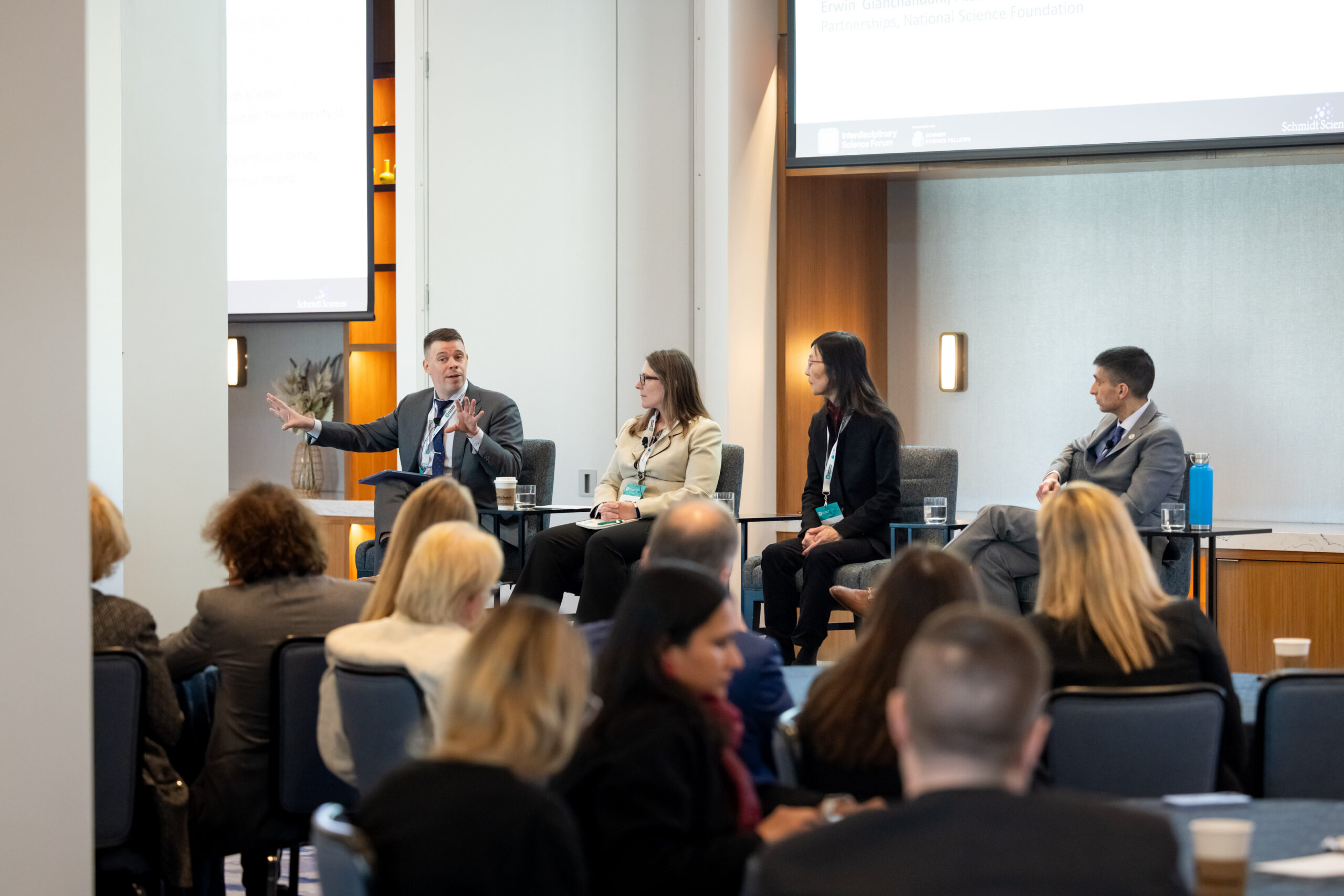
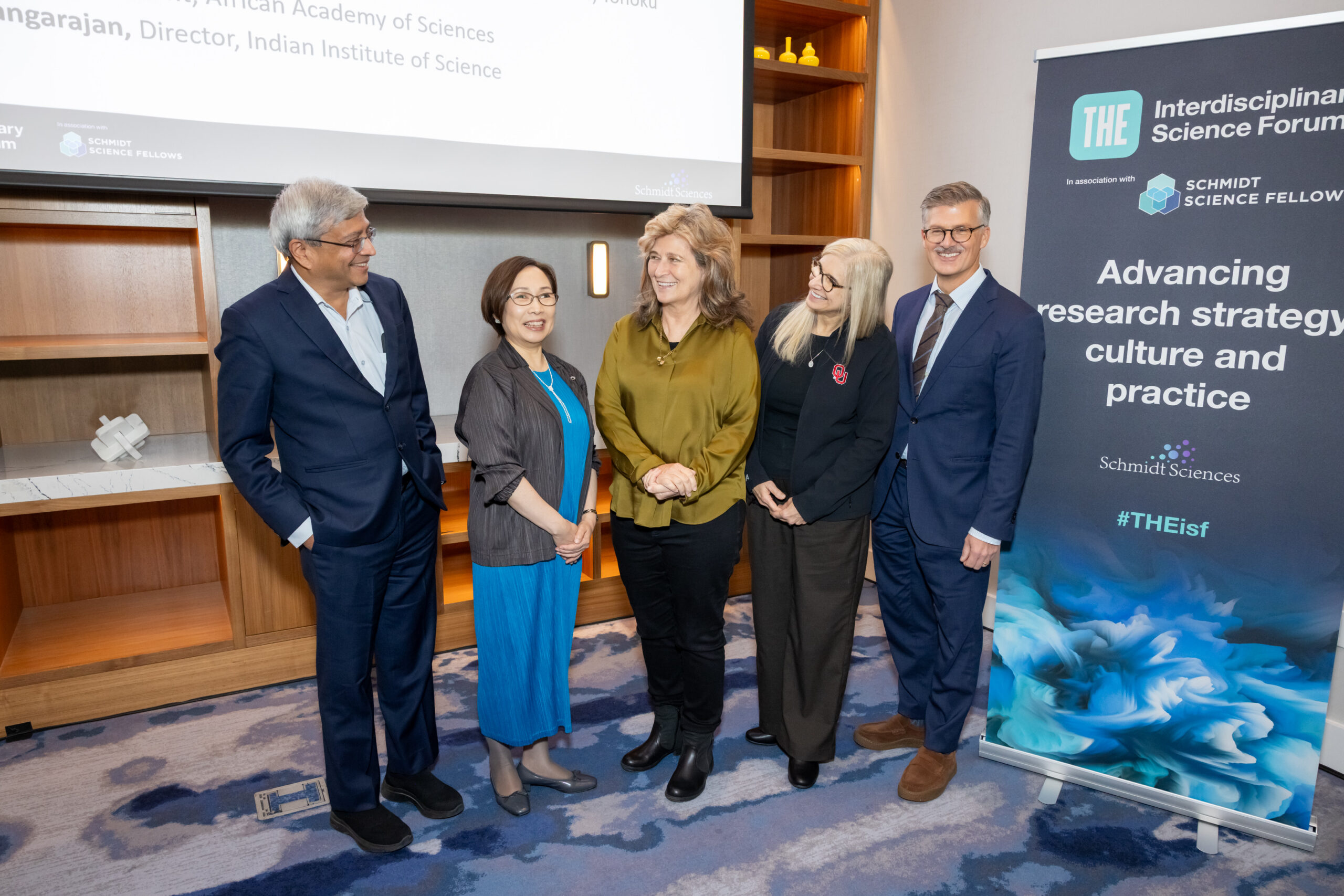
The annual Interdisciplinary Science Forum creates a unique space for global leaders from institutions and funding systems to connect.
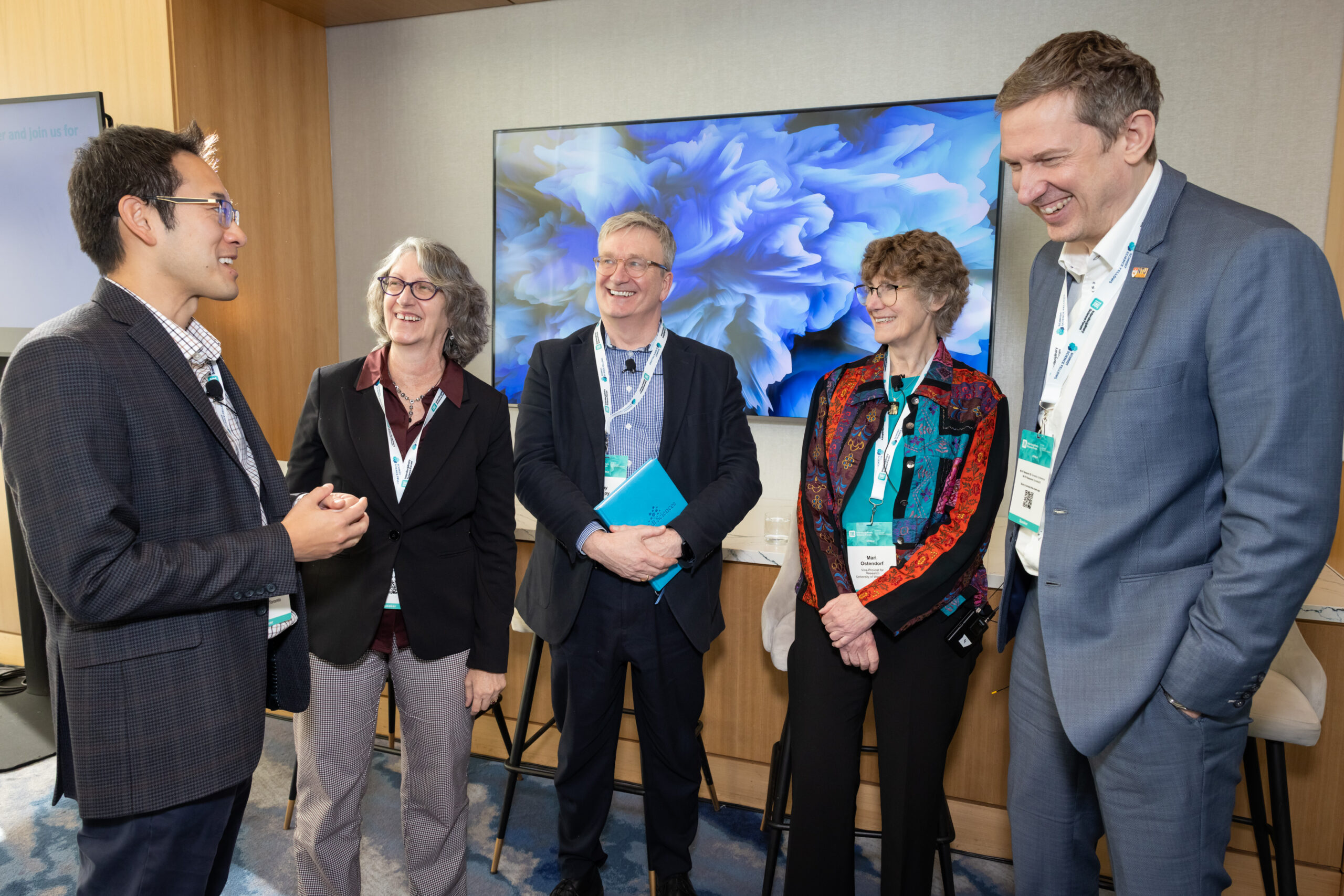
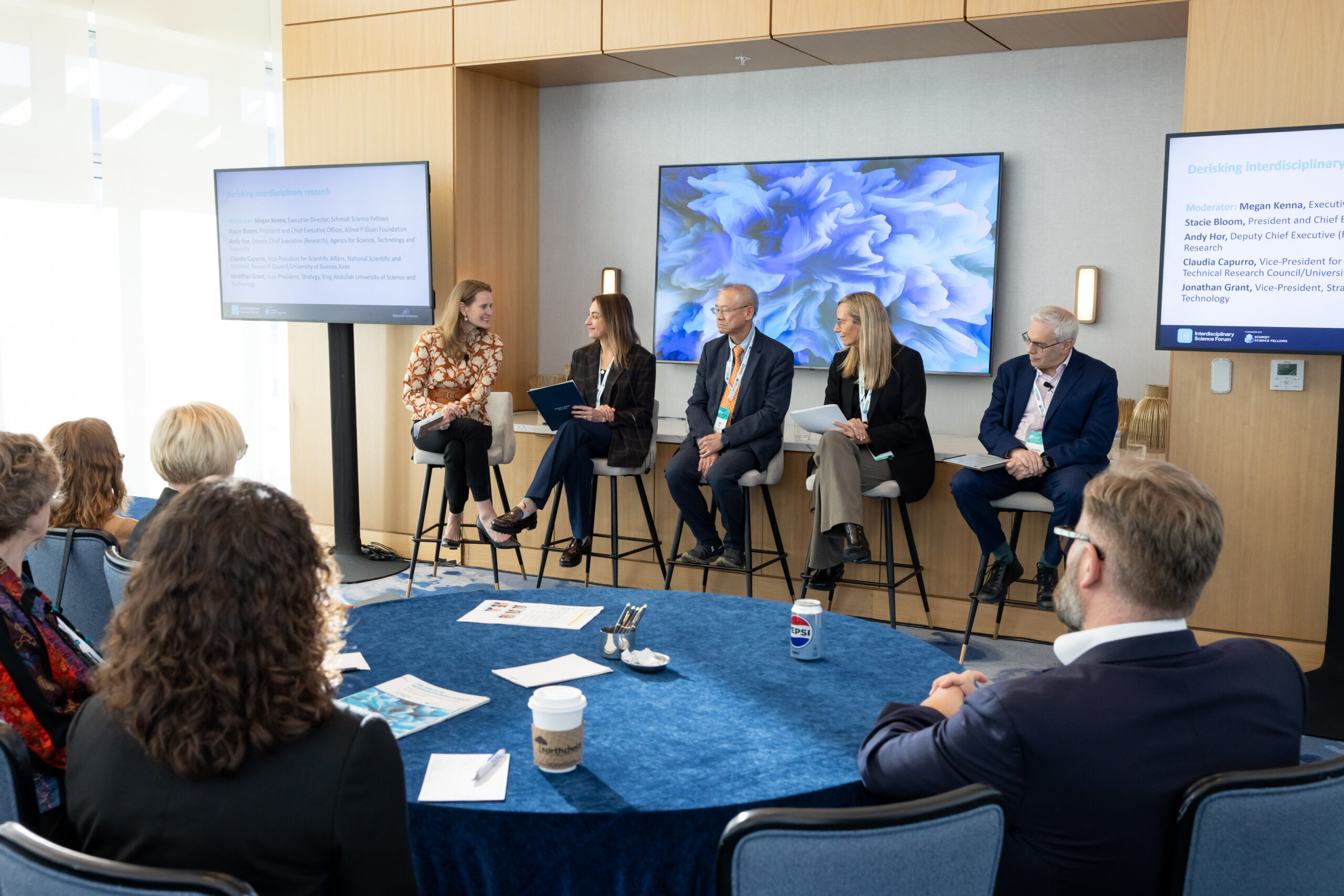
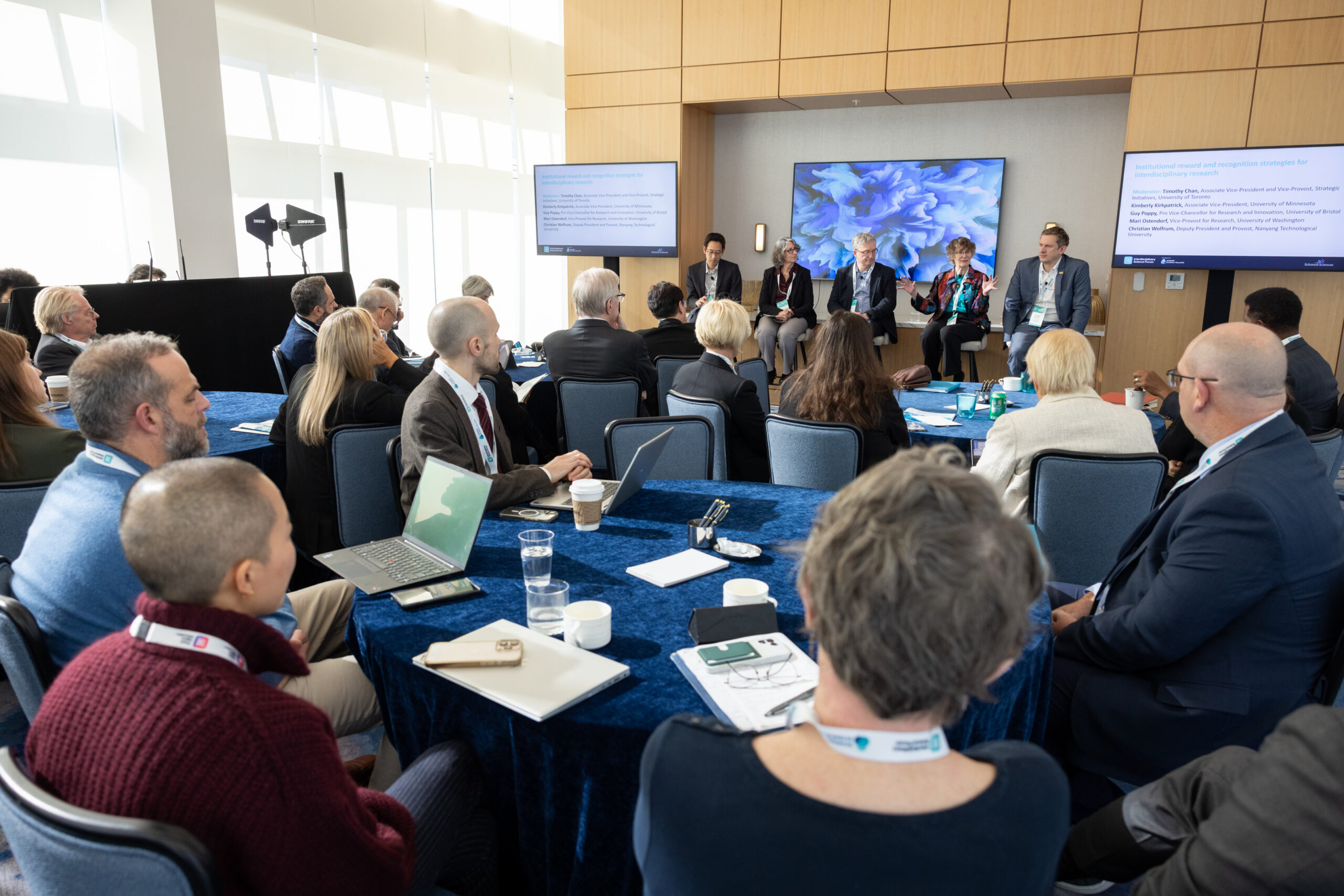
Throughout the day, panels and delegates shared insights and experiences on strategic approaches, best practices, and culture-building in support of interdisciplinary science.
Institutions across North and South America, Europe, Asia, and Africa were represented on the panels, and the power, potential, and risks of integrating AI into science and its supporting structures emerged as a recurring theme.
Dr. Megan Kenna, Founding Executive Director of Schmidt Science Fellows, said: “The Interdisciplinary Science Forum represents a significant global conversation, drawing strength from the common ambition of excellent leaders, their expertise and perspectives, and their generosity in sharing them.”
The daytime program concluded with Caltech President Ray Jayawardhana joining Arizona State University Professor of Space Futures Laurie Leshin for a fireside conversation.
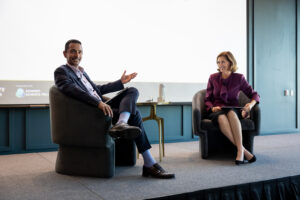
Discussing the potential for AI to open new scientific frontiers, they held that its greatest value was in enabling previously impossible research, rather than simply accelerating output, and that human judgment, curiosity, and expertise remain central components.
Schmidt Sciences President Stu Feldman set the tone for the day in his opening remarks, defining the Forum as an opportunity to explore “how to erode the unnecessary boundaries of disciplines, while upholding their actual advantages”.
“The possibilities are wonderful,” he added.
Some of the insights that emerged through the day included:
- The future of interdisciplinary science depends on collaboration, incentives, and institutional evolution. Interdisciplinary research is accelerating, driven by complex societal challenges and AI.
- Flexible structures and active management are needed for interdisciplinary research. Universities must regularly evaluate and renew approaches.
- AI is fundamentally changing how knowledge is created and how researchers are trained. As AI increasingly provides answers, education must shift towards asking the right questions, developing critical thinking, creativity, and independent judgment.

The Forum was held in parallel to the publication of the 2027 Times Higher Education Interdisciplinary Science Rankings, in association with Schmidt Science Fellows.
Both initiatives are a key part of our mission to break down barriers to interdisciplinary science and accelerate its positive impact on society.
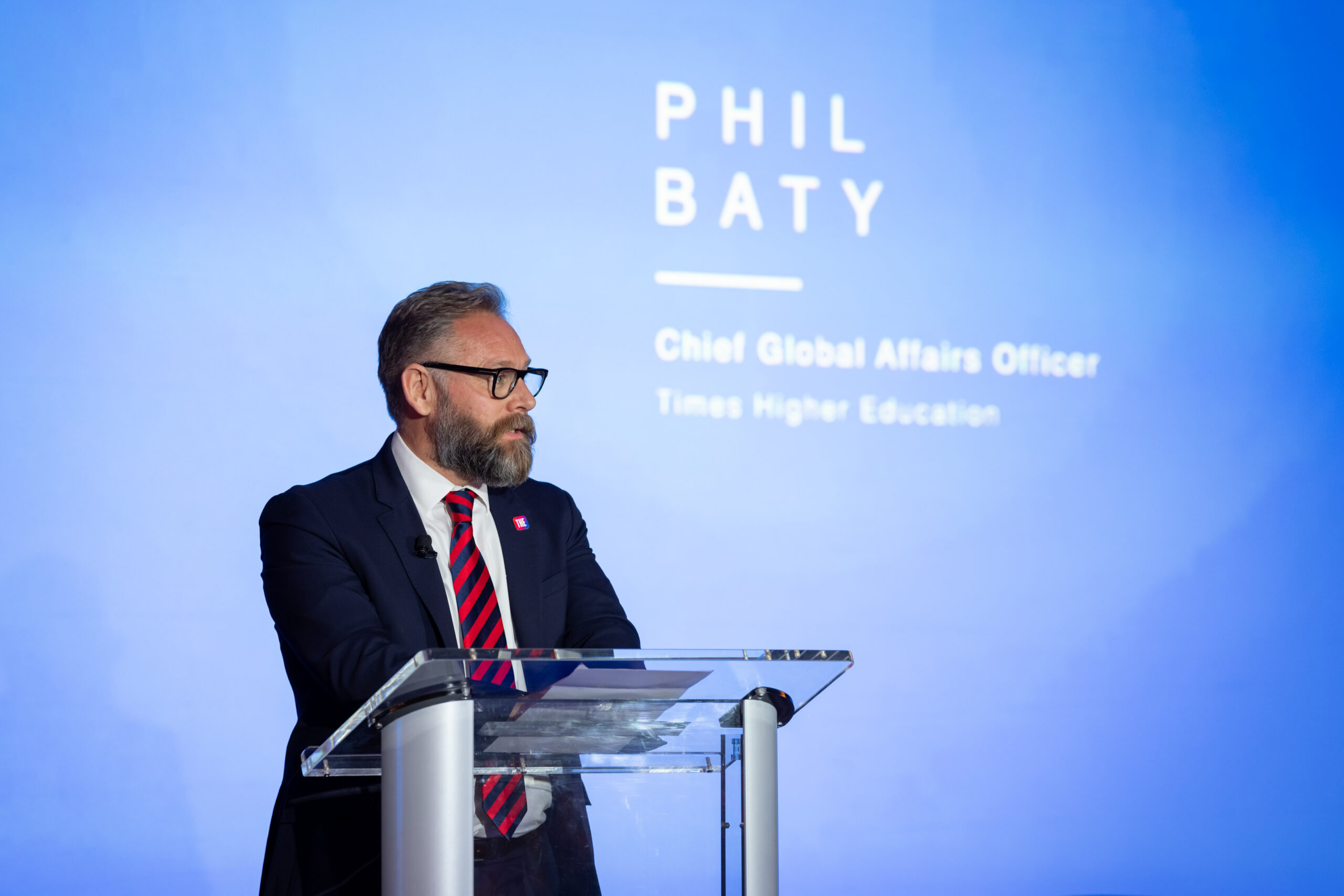
Times Higher Education’s Global Chief Affairs Officer Phil Baty said the Rankings and Forum had helped to define and fuel the growth of interdisciplinary research.
“In just its third annual edition, the ranking now includes more than 1,000 universities from more than 100 countries. That’s not a ranking. That is a global movement,” he said.
MIT held the #1 position in the Rankings for the third consecutive year, with the US continuing to dominate the Top 10.
However, the 2027 edition also reflected Asia’s growing strength, with five institutions in the Top 20.
Photo Credit: Claudine Gossett